Patients
The reality of nasal reconstruction today.
Behind every reconstruction is a person enduring years of surgeries, scars, and uncertainty. The images below document that reality, and the case for a better path forward.
The Current Standard
Current revision solutions are not sufficient.
They are invasive. They offer no guarantee. And they create donor-site morbidities across the body, not one scar, but multiple. Skin from the forehead. Cartilage from the rib. Tissue from the ear. Each procedure trading one wound for another, often over years of repeated surgeries.
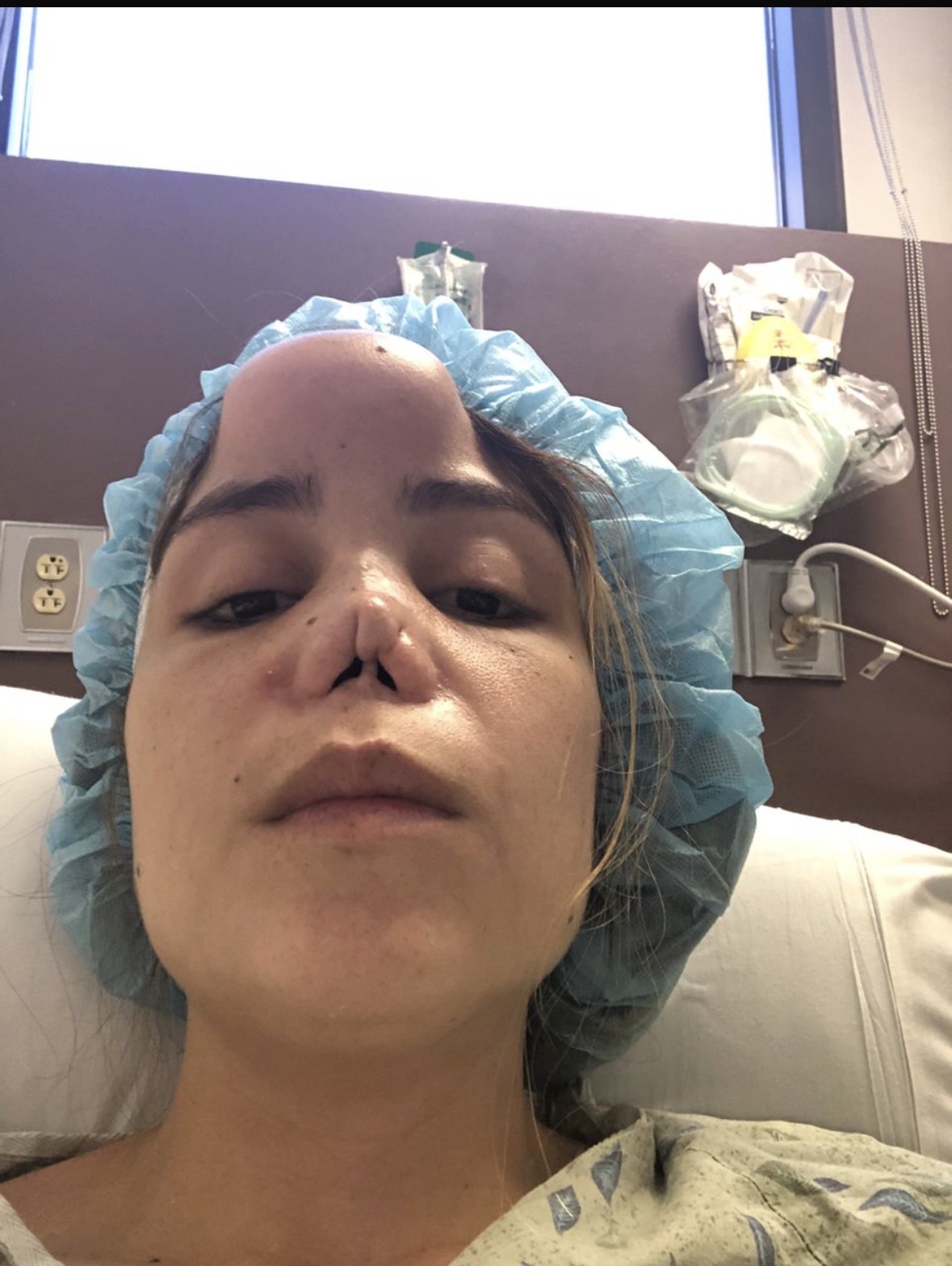
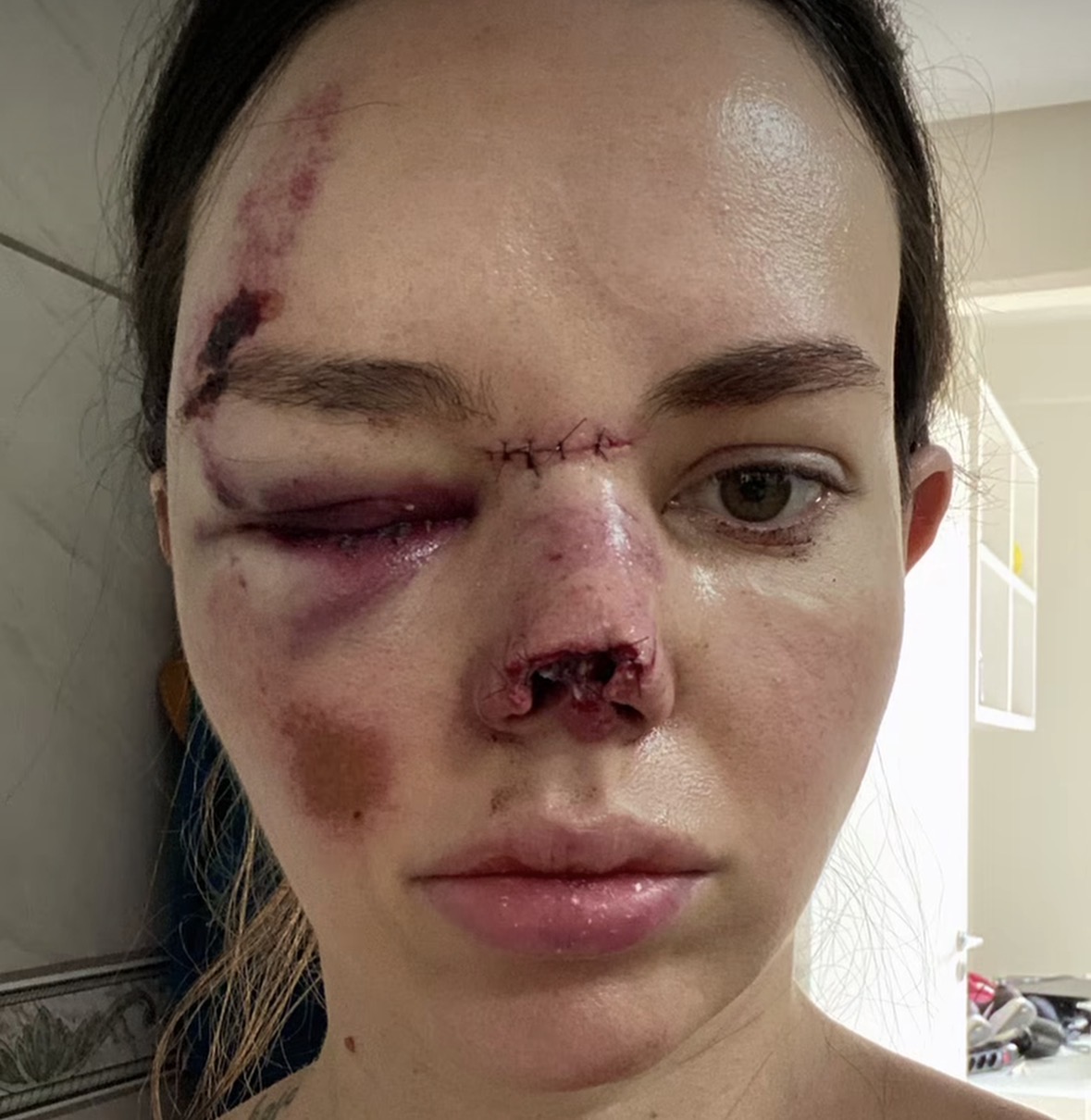
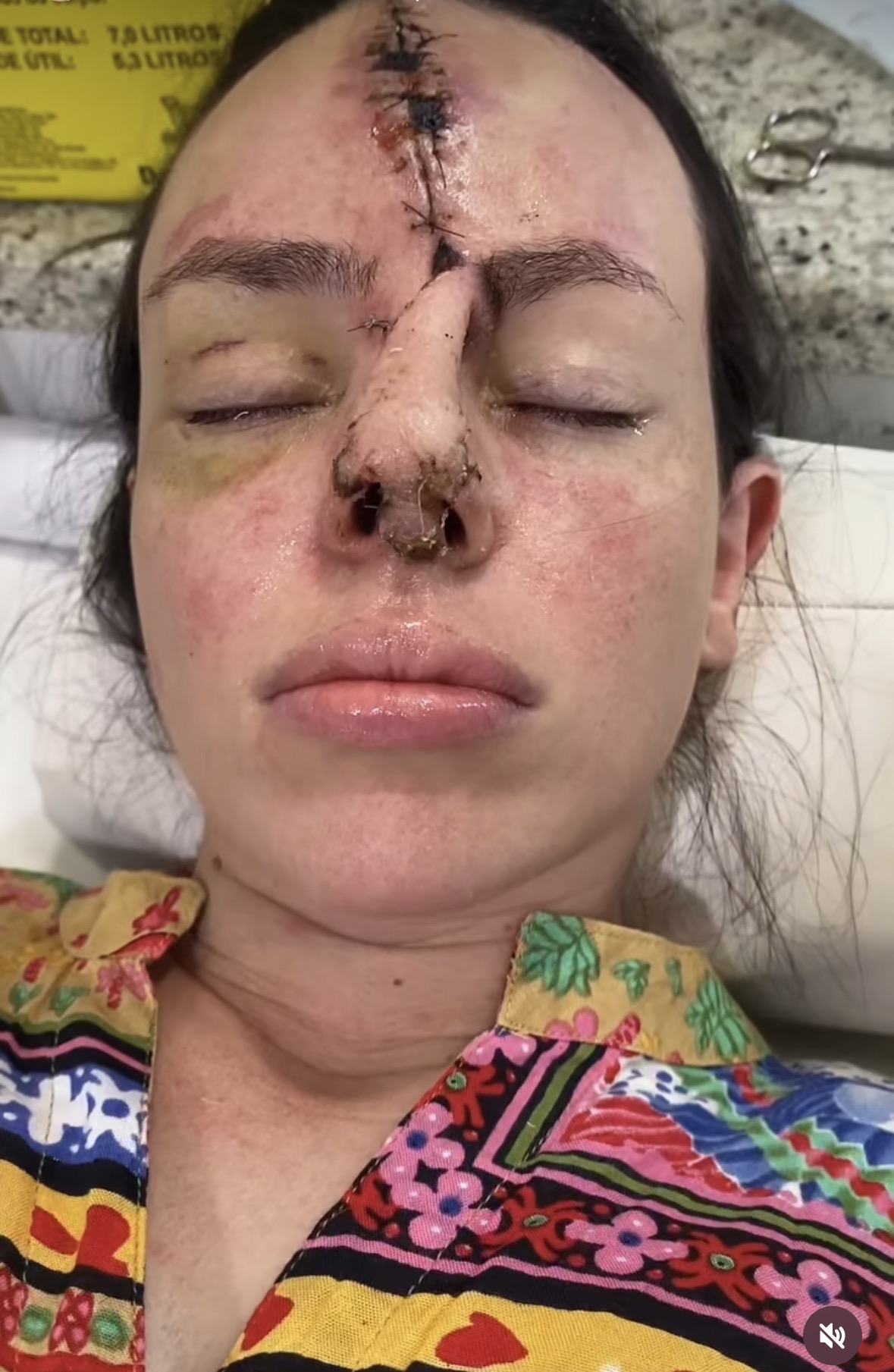
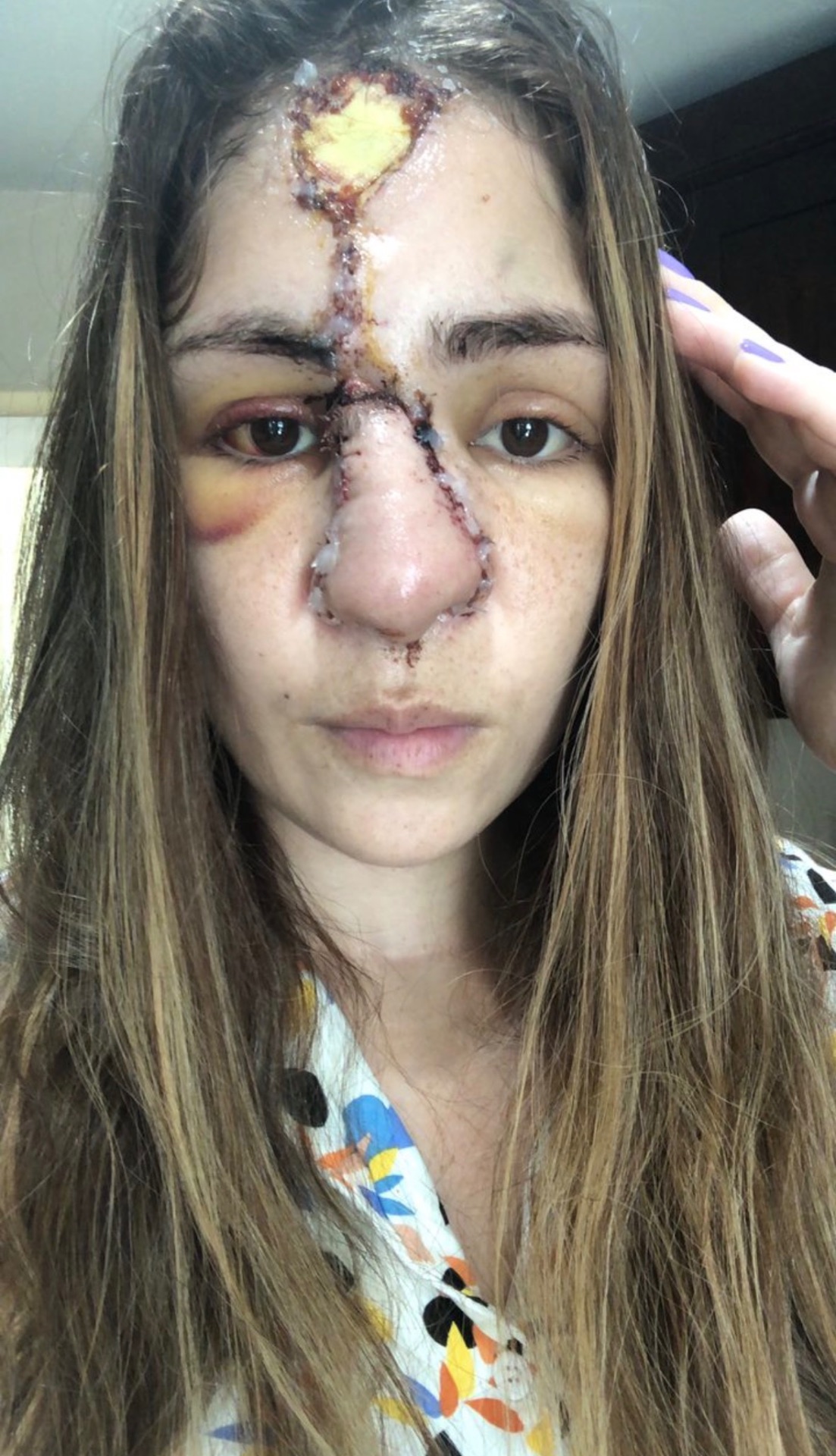
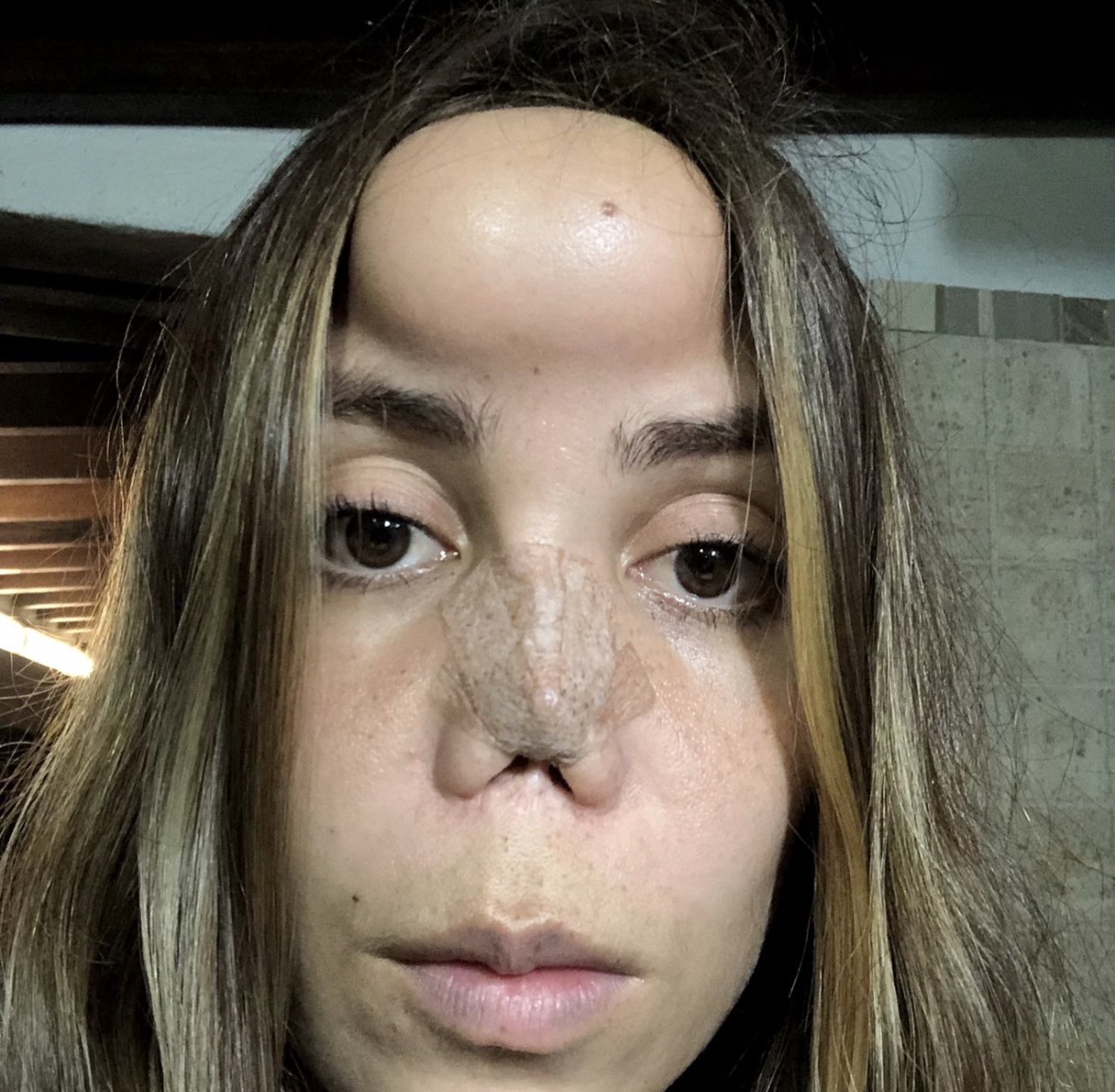
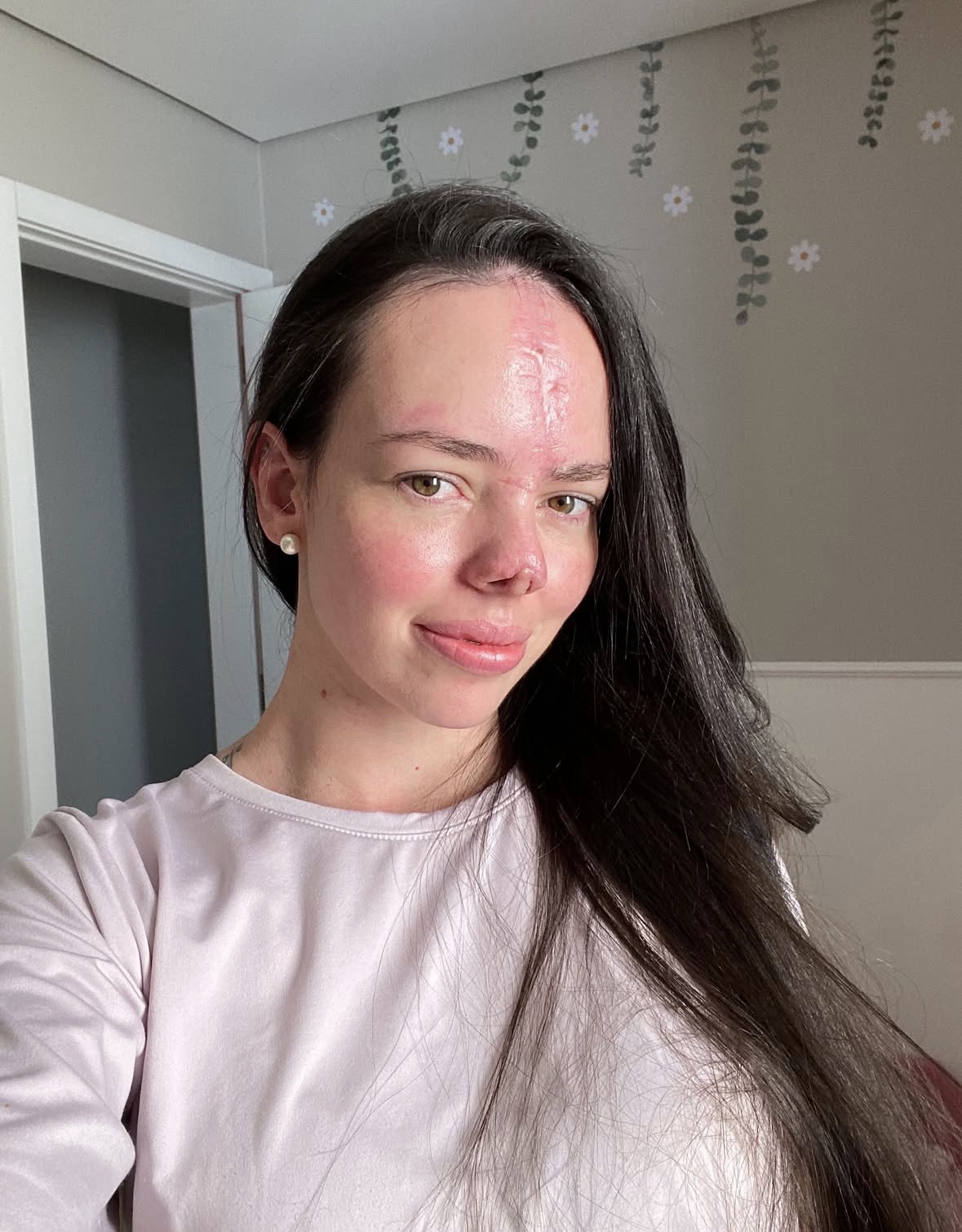
Documentary photographs from multiple patients, shared with consent. Their paths to reconstruction differ: one following a car accident, another after a silicone implant caused a severe infection, but each shows what current standard-of-care actually looks like.
Patient Voices
In their own words.
The financial cost was overwhelming. The emotional cost was deeper still. A real solution wouldn't just change lives, it would finally break the cycle.
I asked if he specialized in revisions. The secretary laughed and said some patients have had up to seven revisions. I realized this wasn't a solution, it was a pattern.
I remember wondering if I would ever recognize myself in the mirror again. I still hold onto the hope that one day, I will.
The pain wasn't just in my nose, it was in my chest. Every breath, every movement, was a reminder of what my body had gone through.
Restoring Hope
A better path forward.
No more forehead flaps. No more rib harvesting. No more removing tissue from one part of the body to repair another. Instead, patients can receive tissue engineered to match their own anatomy—a solution that restores what was lost while respecting the integrity of the body, and offers a true path back to wholeness.
No one should have to sacrifice one part of their body to repair another.
Help us fund regenerative reconstruction, so the next generation of patients won't have to choose between scars.